PERFORMANCE ARTIST. THEATER AND FILM ACTRESS. WRITER. PRODUCER.
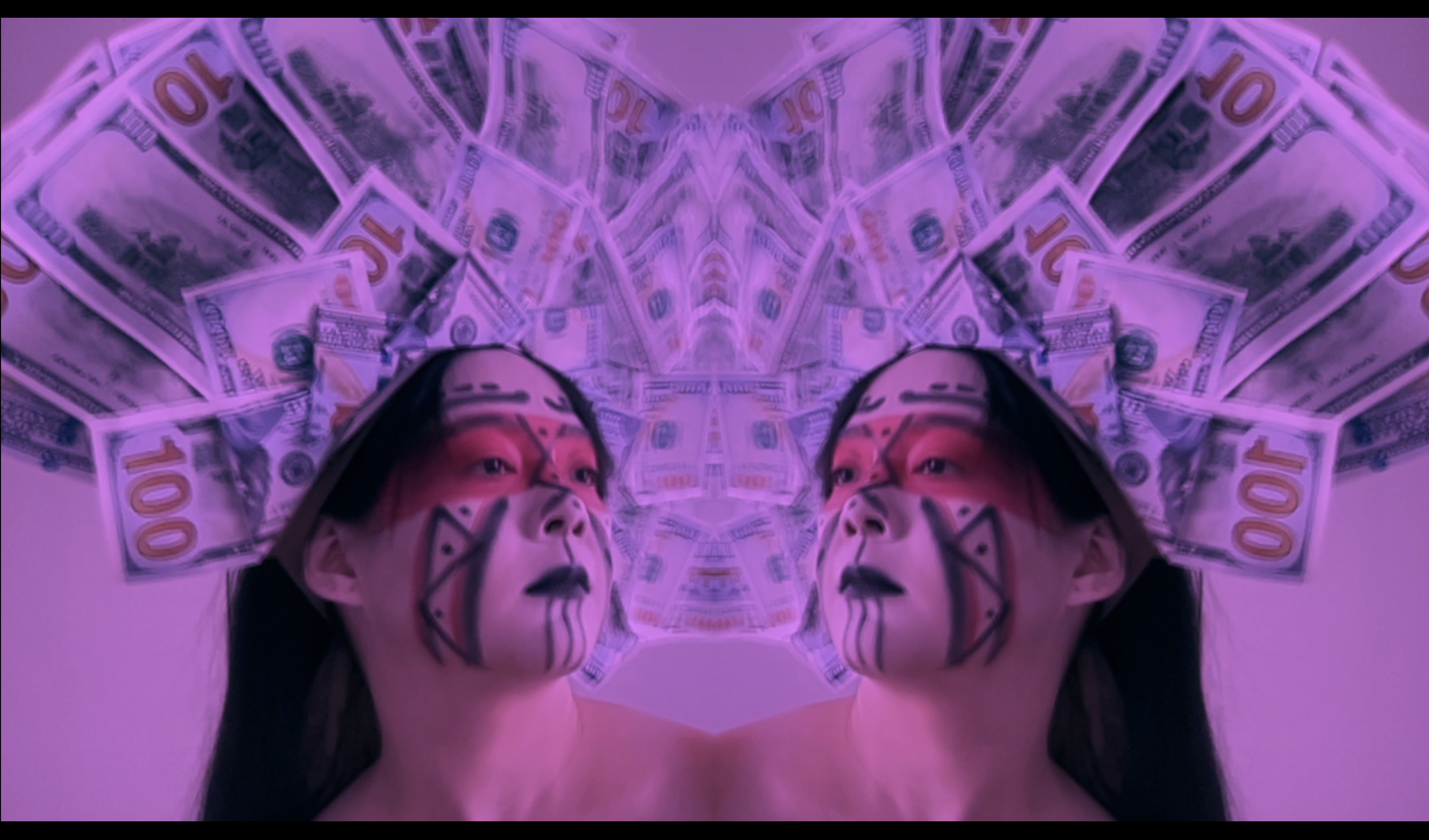
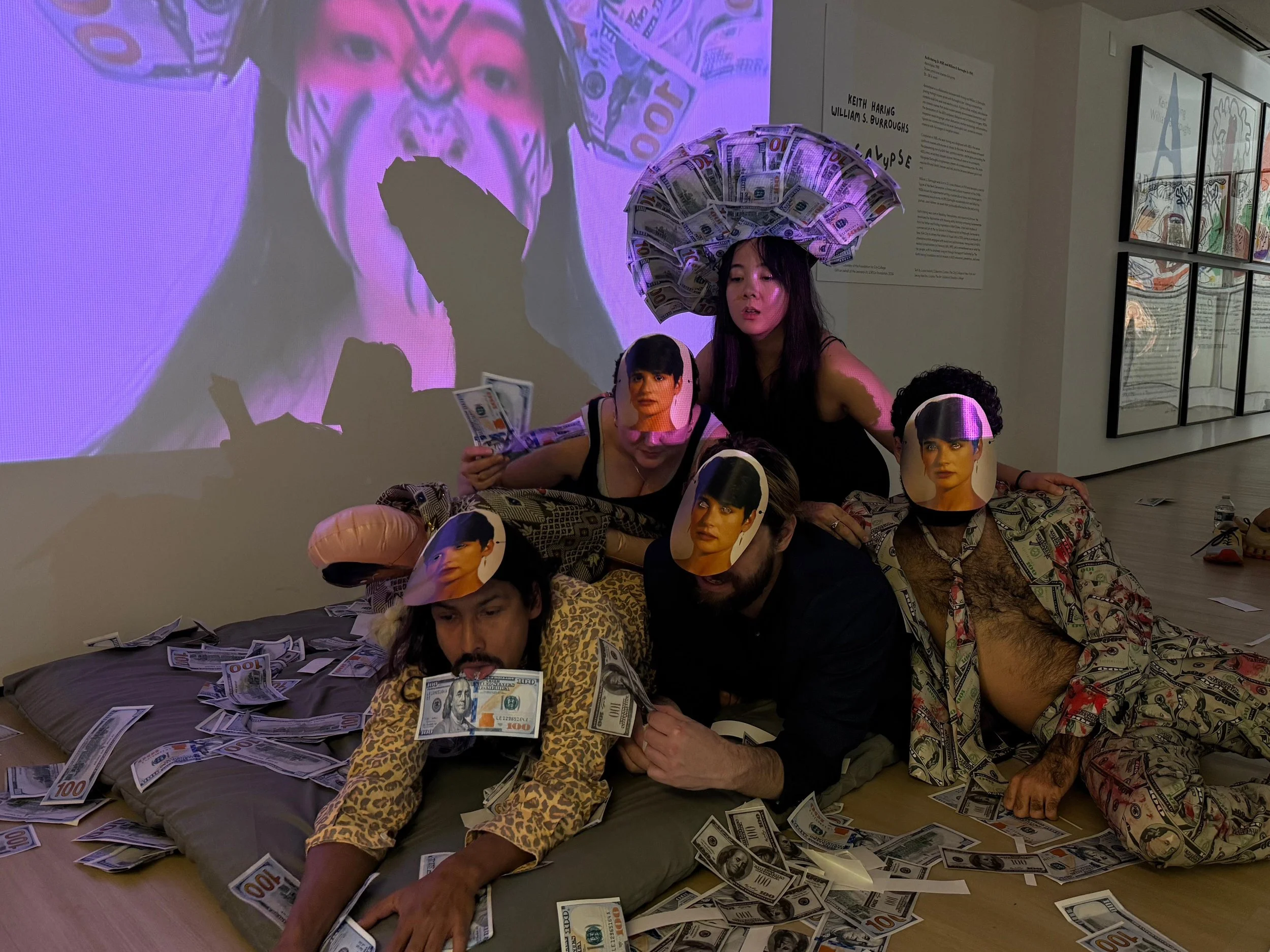
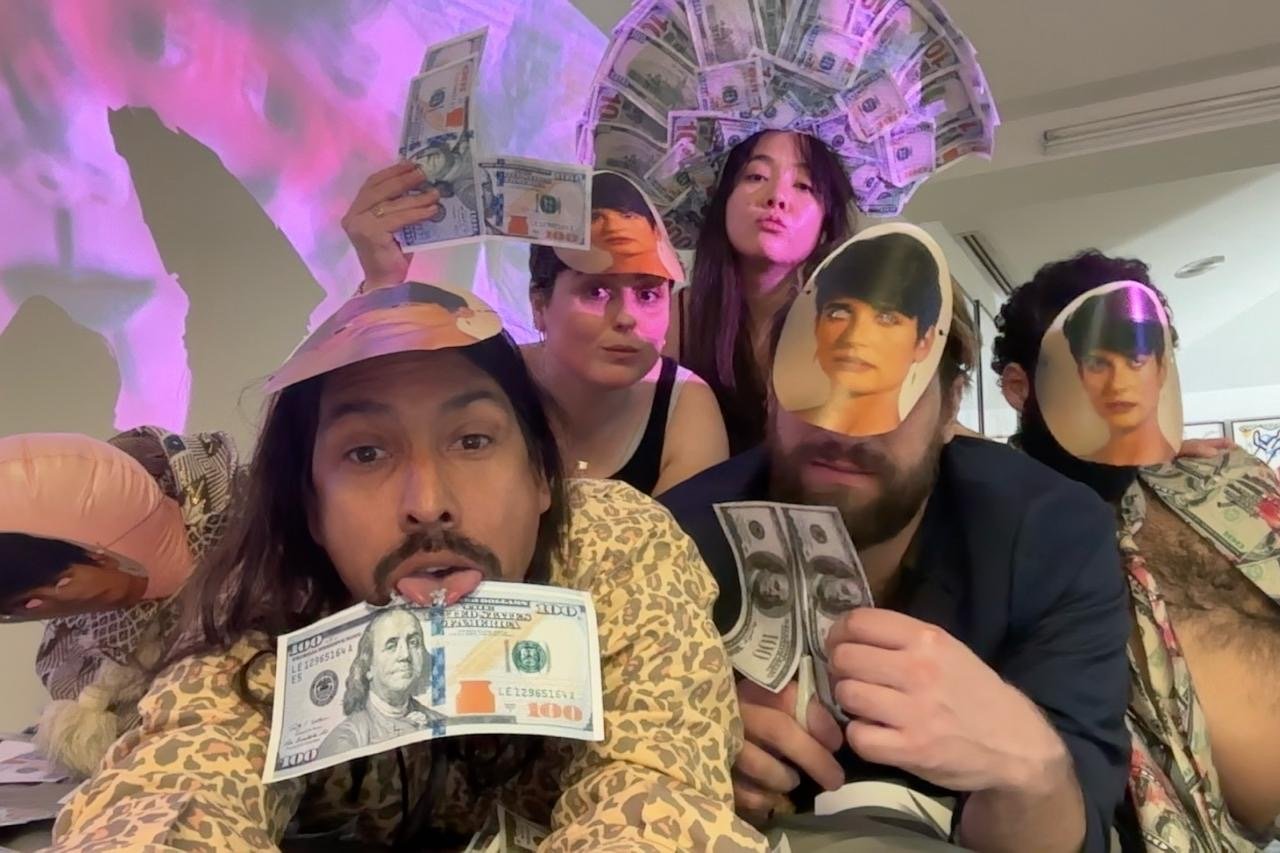
Apocalypse: Artists Respond
Art Gallery @ BC, Brooklyn, NYC
Dorothea Gloria (she/her) is a Filipina theater-maker, actress, and performance artist based in New York City. Her work weaves ritual, community, and contemporary storytelling, with artistic research focused on mourning practices from the Ilocos region of the Philippines and their translation into contemporary performance. Grounded in process-driven creation, her work centers on collaboration, cultural memory, and collective exchange.
Dorothea is the founder of RiffRaff NYC, an artist-led platform dedicated to developing new work and sharing multicultural stories through collaborative performance. Through RiffRaff, she nurtures artists in creating pieces that reflect diverse lived experiences while building community through generative and exploratory processes.
As an actress, Dorothea has performed with Spellbound Theater, Rattlestick Playwrights, The Flea Theater, and other New York–based companies. In the Philippines, she has worked with Repertory Philippines, PETA (Philippine Educational Theater Association), and the Cultural Center of the Philippines. She completed the conservatory program at the Stella Adler Studio of Acting.
She is currently the Co-President of The League of Professional Theatre Women. When not in rehearsal, she can often be found in Bryant Park practicing juggling and flow arts.
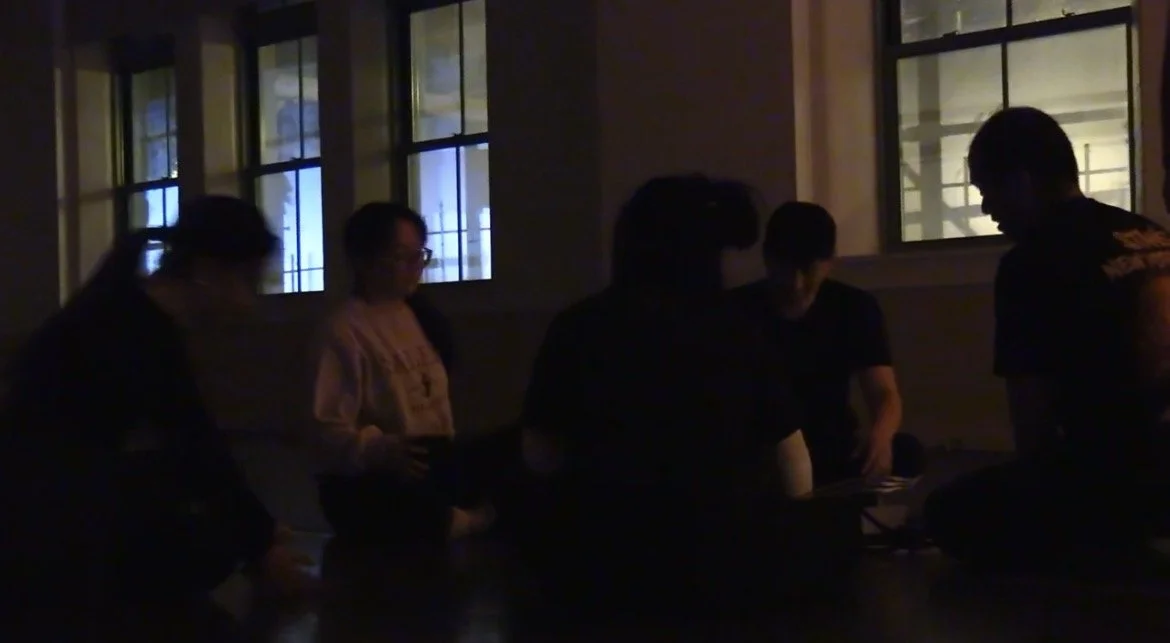
Dorothea’s project called Alay was awarded support from a grant given by the Mellon Foundation through Social Practice CUNY, enabling the development of this project through workshops, research, and public-facing participatory performance.
Alay (Tagalog for “to offer”) is a participatory performance ritual that recontextualizes Ilocano mourning practices into a contemporary, communal space for embodied grief and collective healing. The project invites participants to engage grief not as something to resolve, but as something to be witnessed, shared, and transformed together.
Alay weaves storytelling, movement, music, and ritual objects to guide participants through remembrance, release, and renewal. Drawing from Ilocano traditions such as atang (offerings to the dead), lukay (wearing of black ribbons), and gulgul (river cleansing), alongside contemporary performance practices, the work creates a framework where grief is held communally and processed through the body.
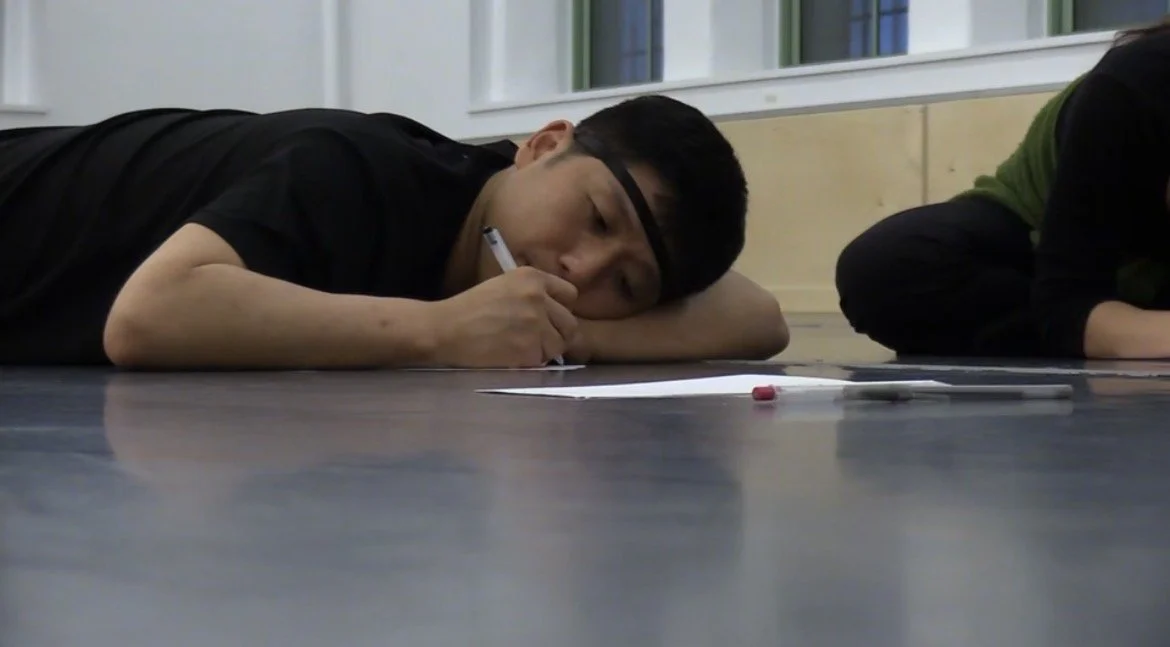
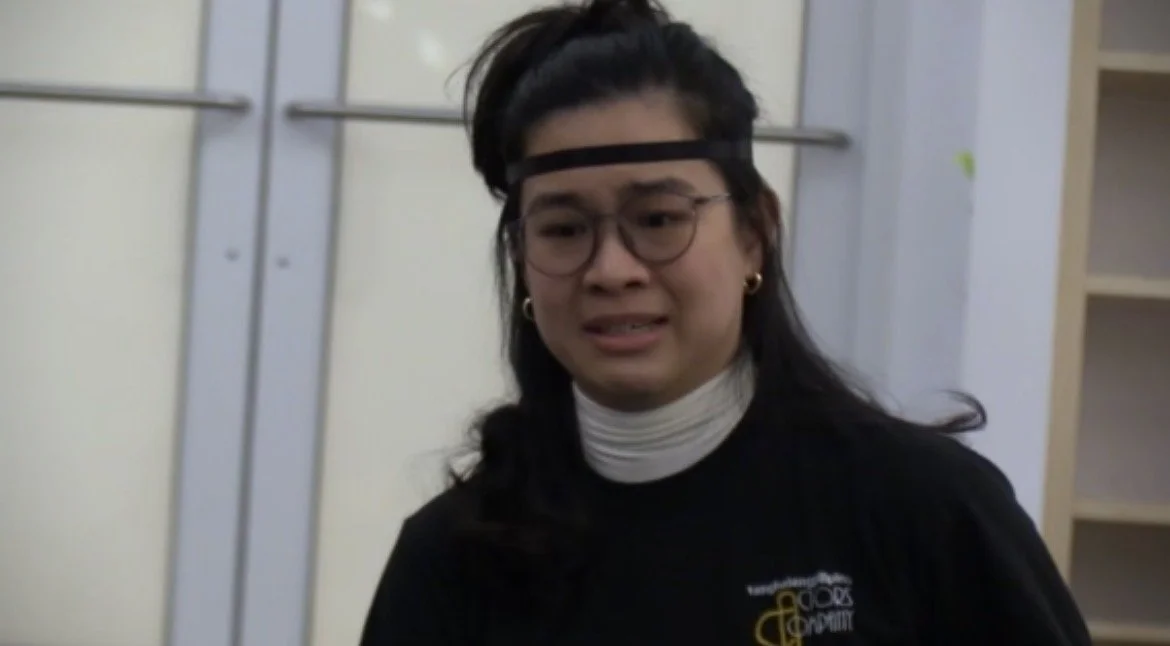
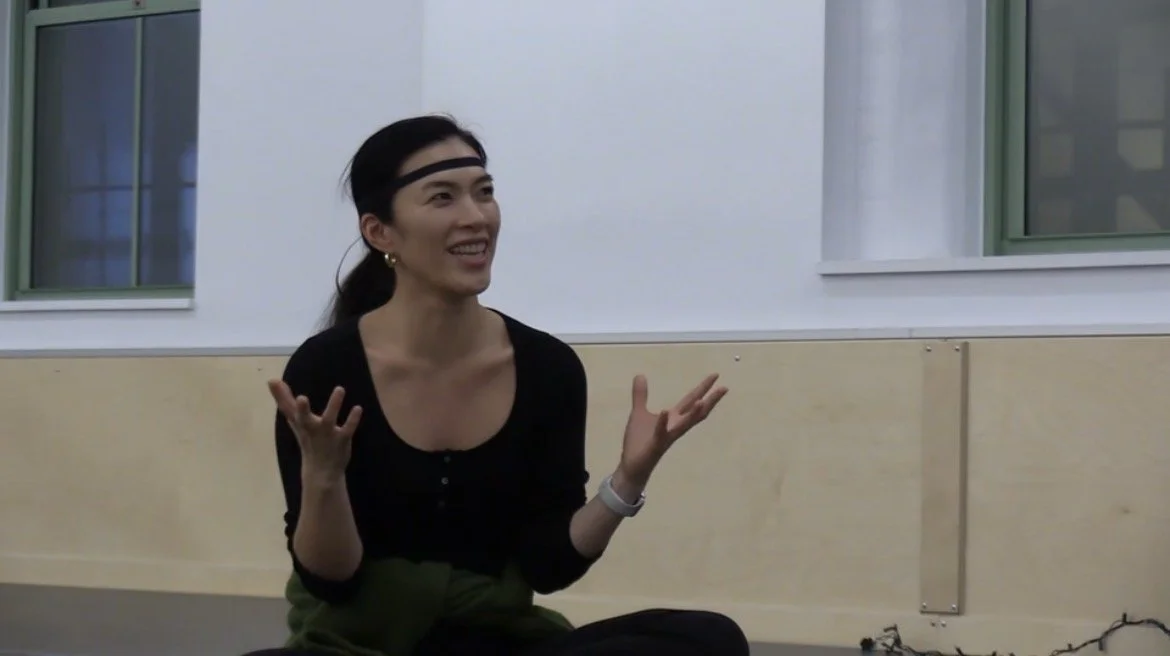
Movement Research Inc., NYC
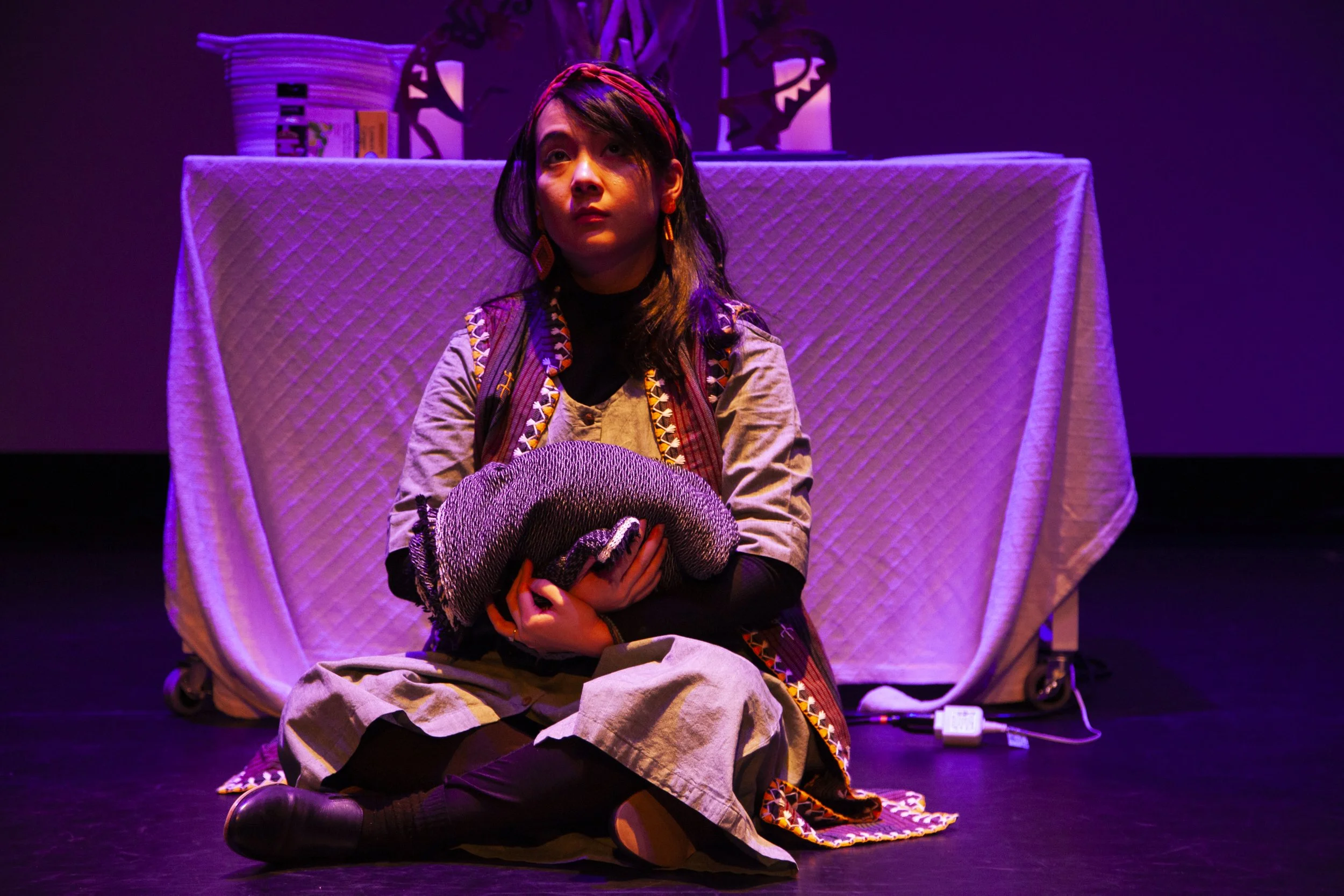
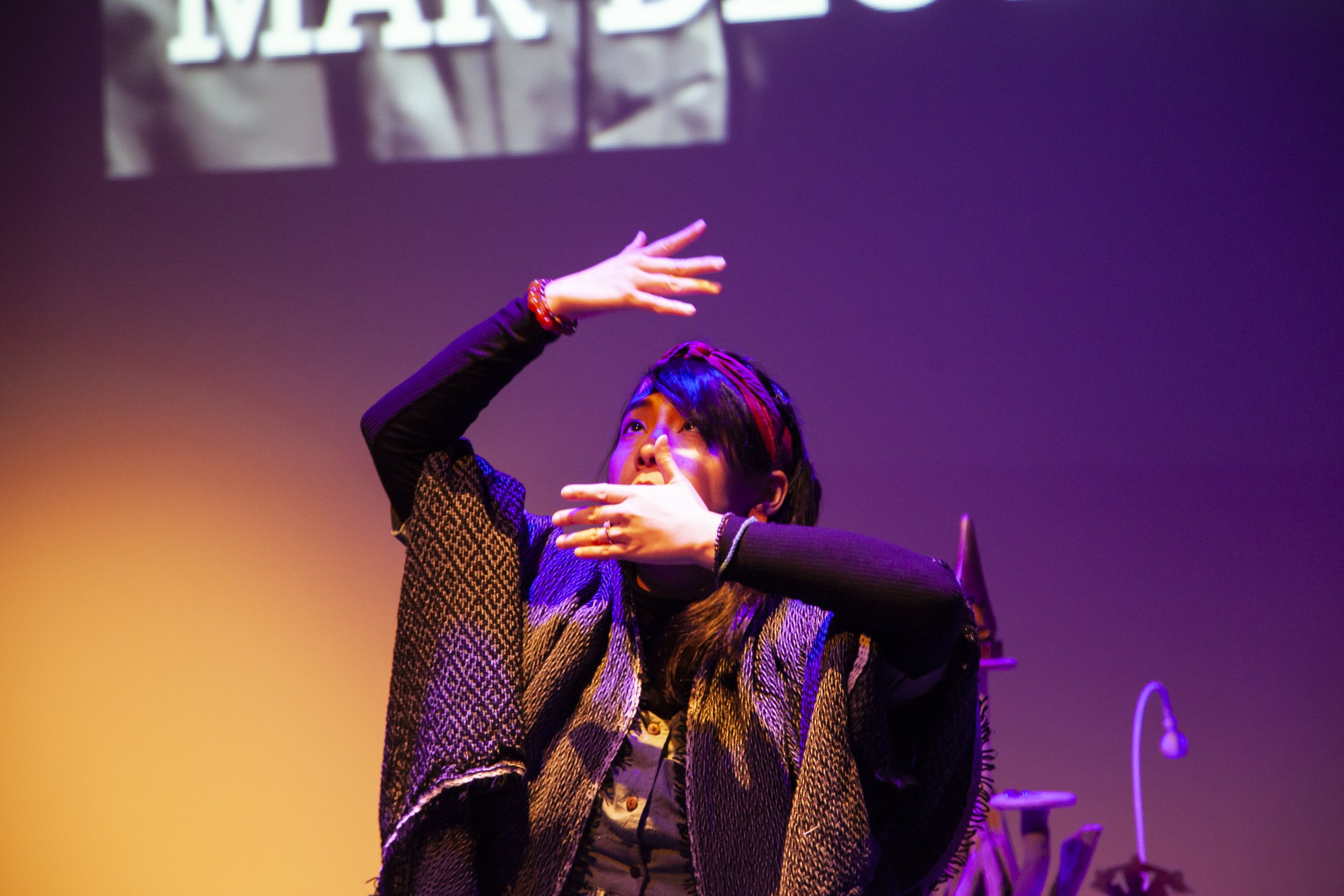
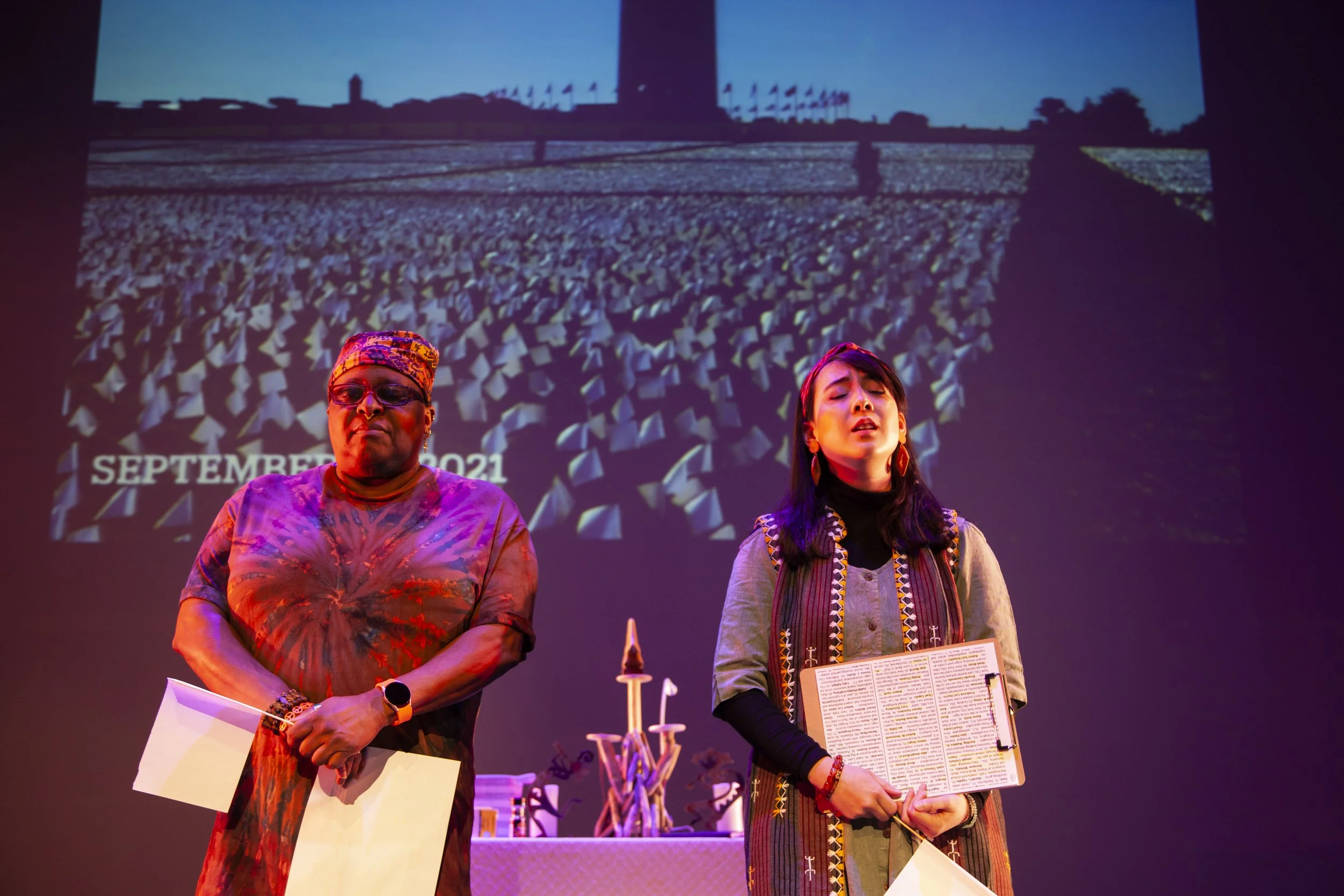
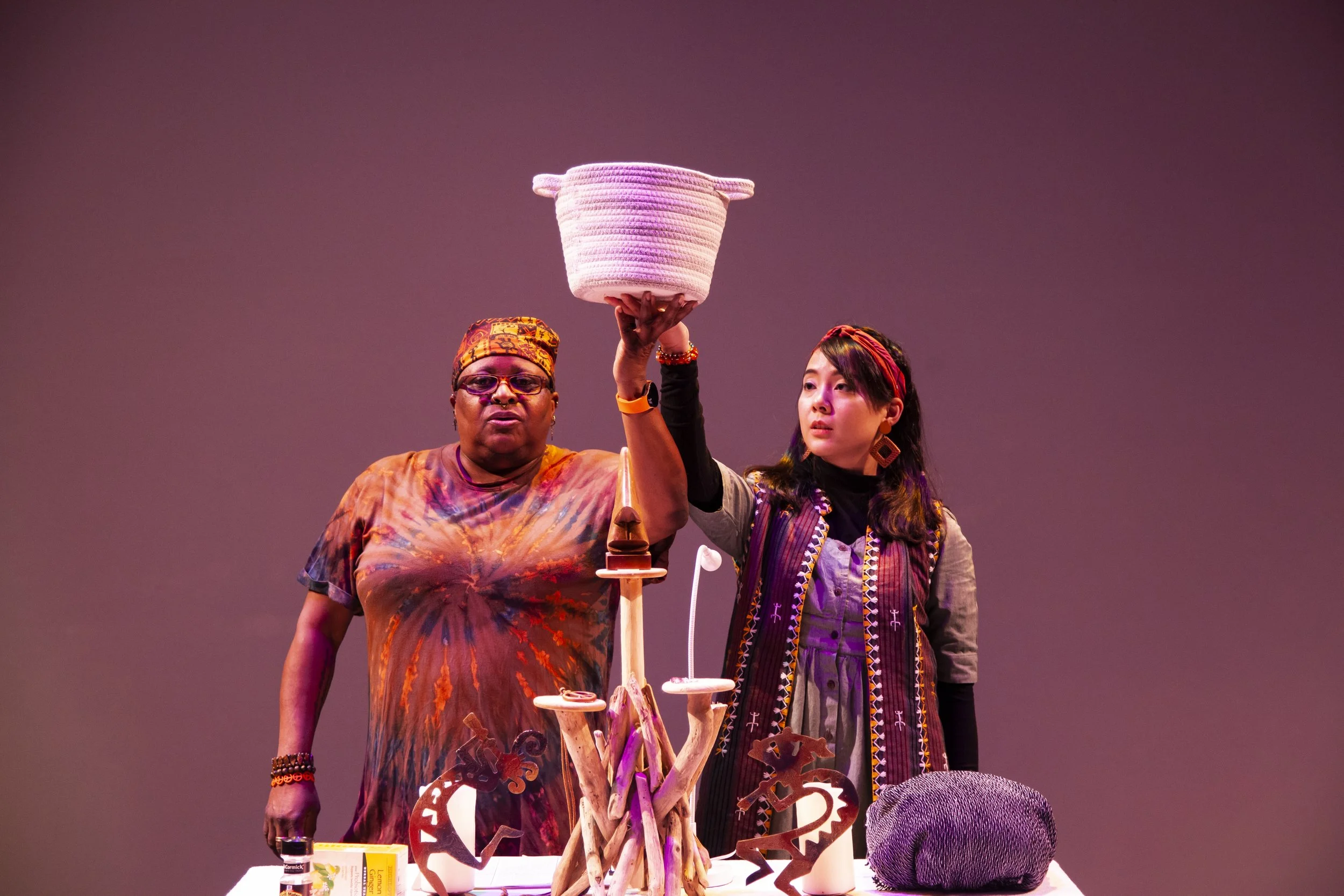
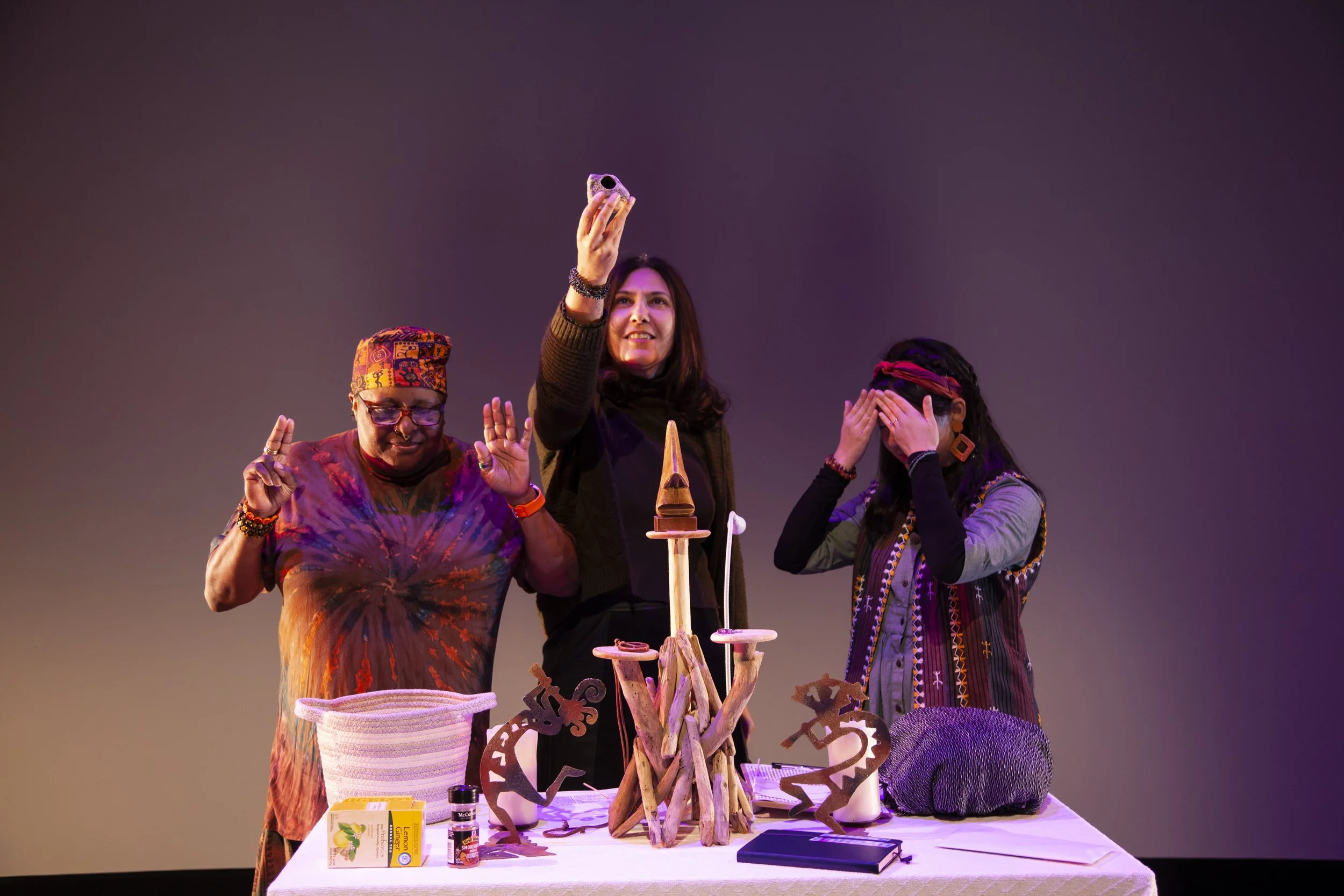
Connections at LPAC, Queens, NYC
Connections by Dorothea Gloria and Handan Ozbilgin has been awarded the New Works Grant from the Queens Council of the Arts. Queens Council on the Arts offers project-based grants to Queens individual artists, artist collectives, and small non-profit organizations to support local production of art work and cultural programs that highlight, engage, and bolster the diverse communities of the Queens borough. Connections is a show that will engage audience members in the Queens borough to reflect on their memories and experiences of the pandemic and hopefully allow a chance for healing and moving forward. Connections will take a closer look on social, cultural, and historical stories that invite audience members to investigate their relationship with themselves and other people.
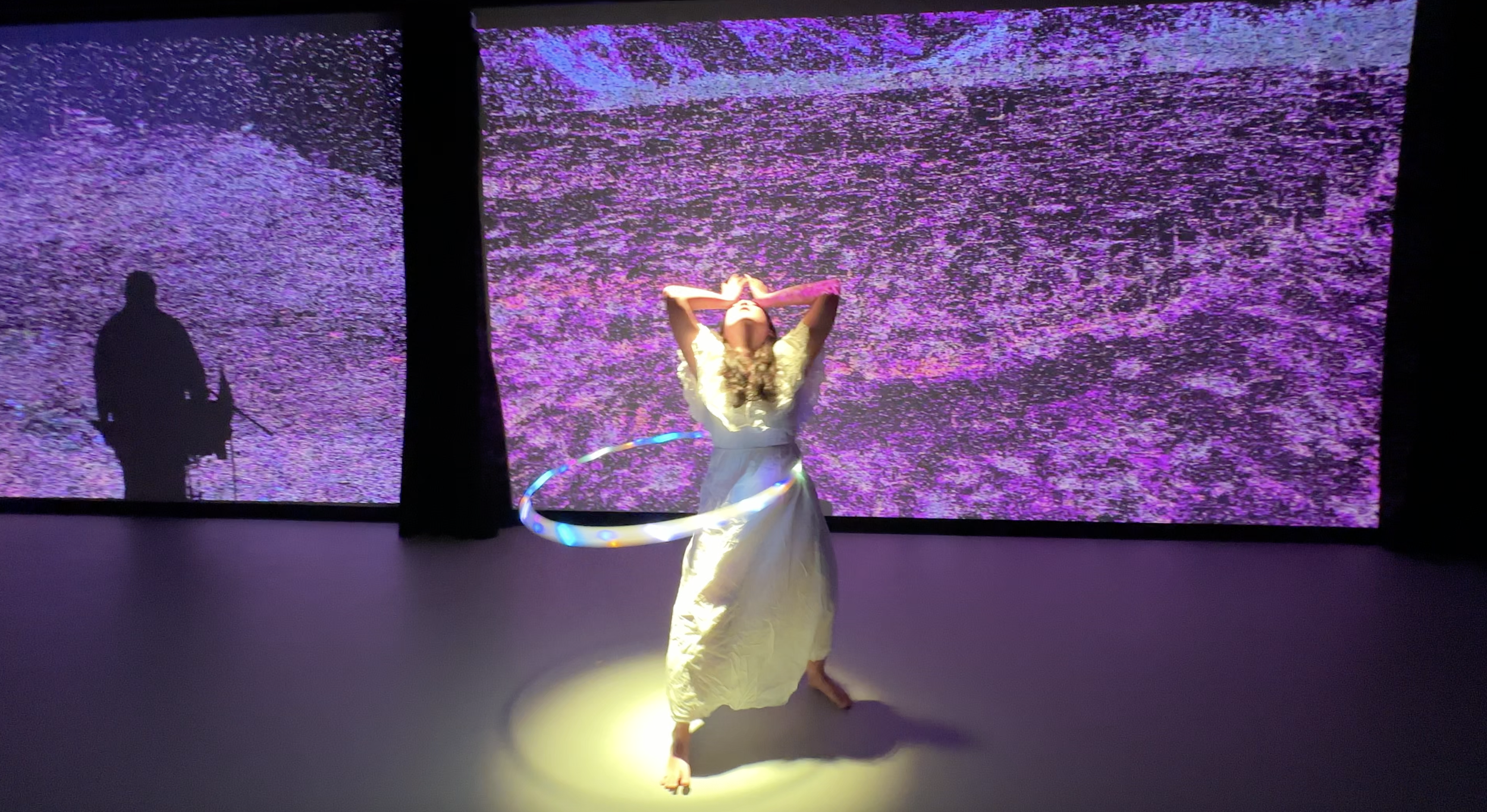
When the land is sick, you’re sick is a visceral performance ritual linking environmental violence to bodily distress. Poetry of retribution, hulahooping, and somatic screaming transform ecological grief into physical reckoning.
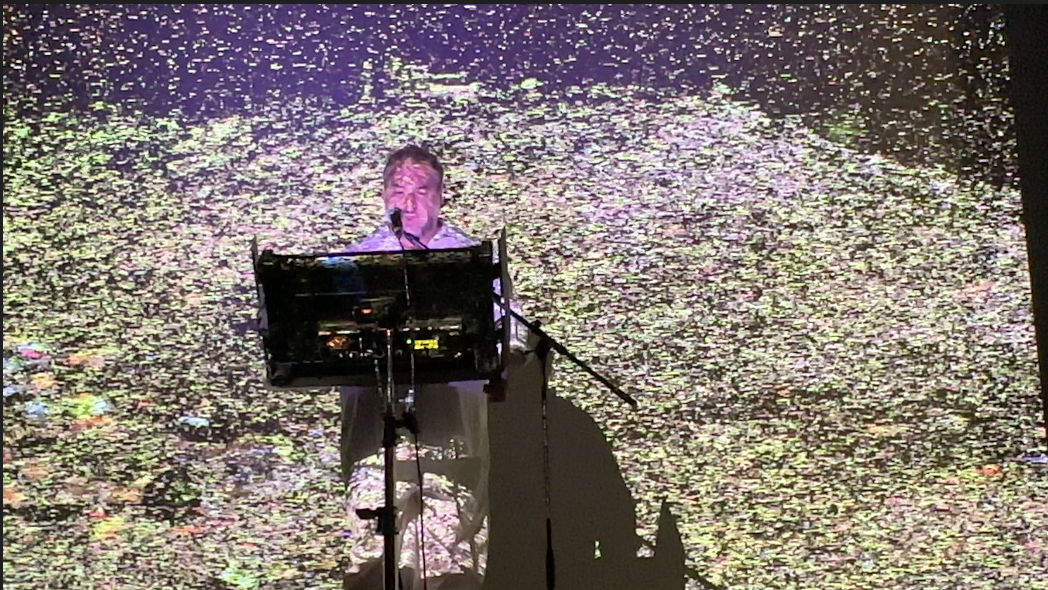
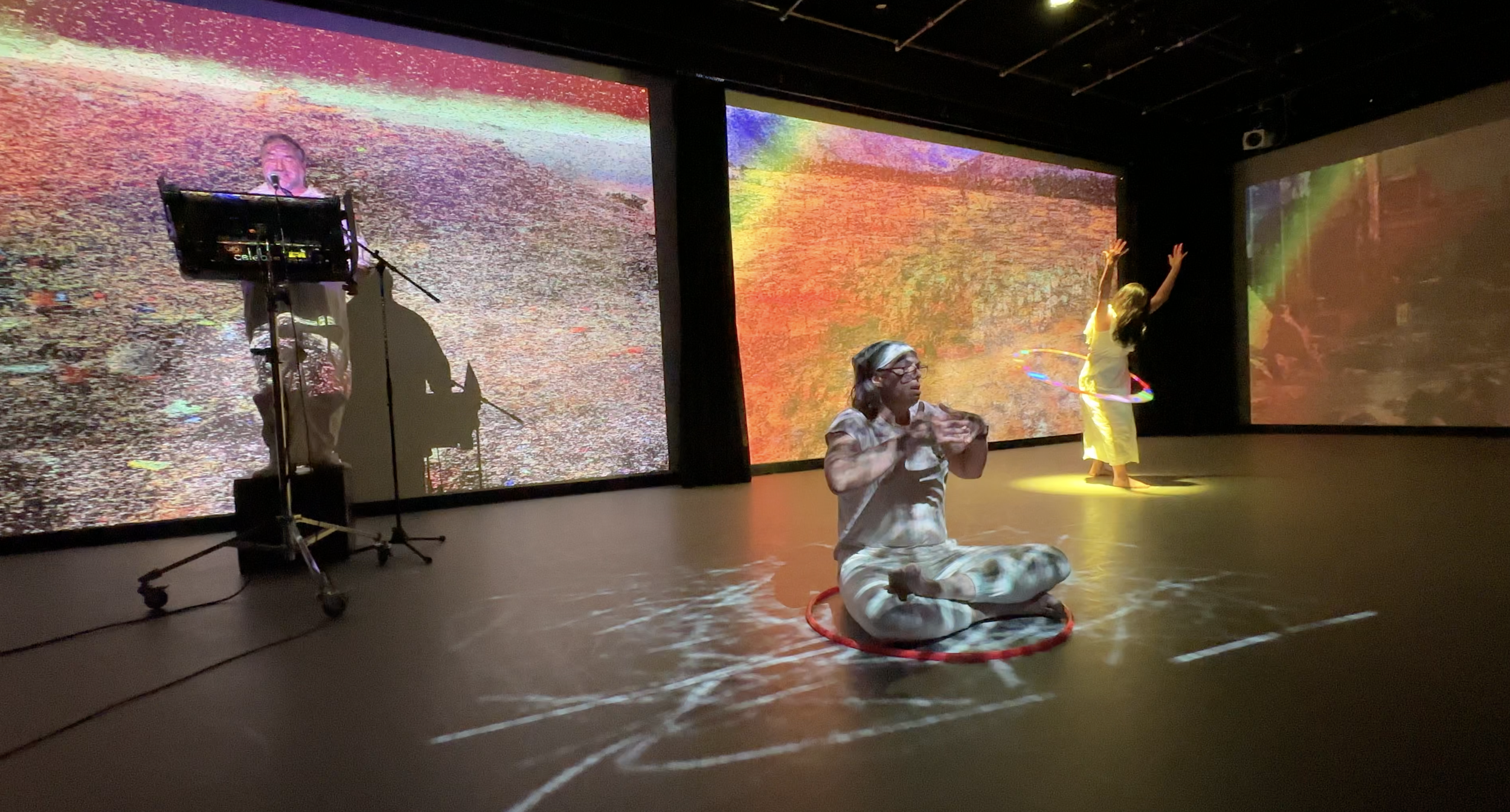
When the land is sick, you’re sick
Barnard Movement Lab, NYC